
For retail stores, restaurants, offices, and other commercial properties, storefront windows do much more than let natural light into a building. They shape the appearance of a business, create visibility from the street, contribute to security, and influence how customers experience the property before they even walk through the door. The right commercial storefront system can provide a combination of durability, energy performance, visibility, and architectural appeal. At Glazenix LLC, we provide commercial glass and glazing solutions for businesses, developers, contractors, architects, and property owners throughout the region.
Table of Contents
ToggleWhat Are Commercial Storefront Windows?
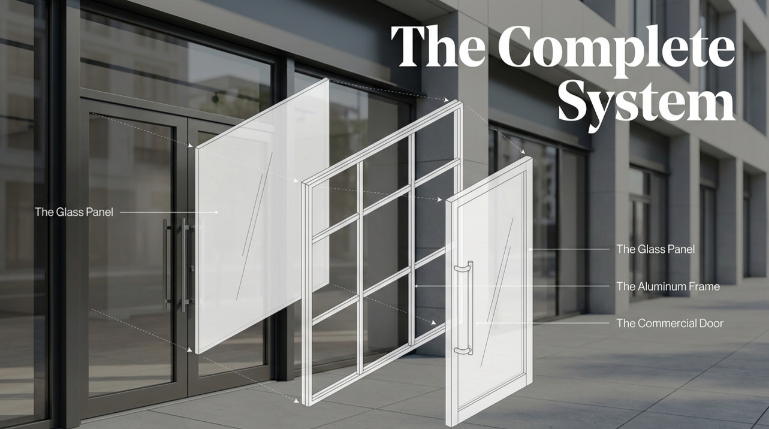
Commercial storefront windows are glass window systems designed primarily for low- to mid-rise commercial buildings. They commonly consist of large glass panels installed within aluminum framing systems. Unlike standard residential windows, commercial storefront systems are designed around the needs of businesses and commercial spaces. They can be configured for entrances, display areas, office fronts, retail spaces, restaurants, and other applications where visibility and functionality are important. Depending on the project, storefront windows can incorporate different glass types, framing configurations, doors, hardware, and performance characteristics.Why Do Storefront Windows Matter for a Commercial Property?
Your building’s exterior is often the first thing customers, tenants, and visitors see. Clean, well-designed storefront windows can make a commercial property appear more modern, open, and professional.- Improve Street-Level Visibility
- Bring Natural Light Indoors
- Retail stores
- Restaurants and cafés
- Offices
- Showrooms
- Lobbies
- Professional service businesses
- Mixed-use commercial spaces
- Create a Modern Commercial Appearance
- Support Functional Commercial Spaces
Common Applications for Storefront Windows
Storefront windows are used across many types of commercial properties.Retail Stores
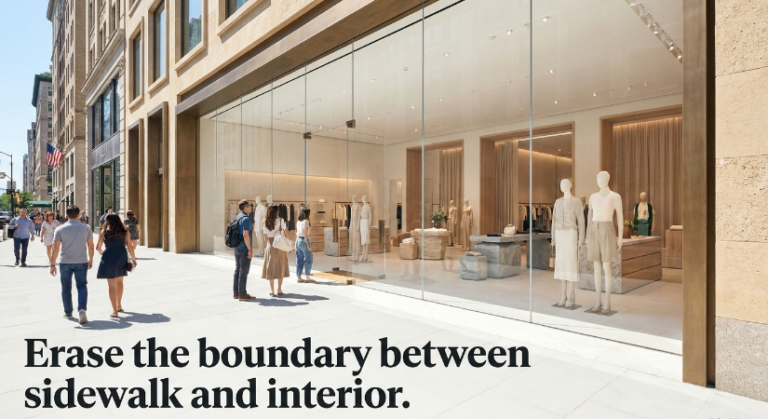
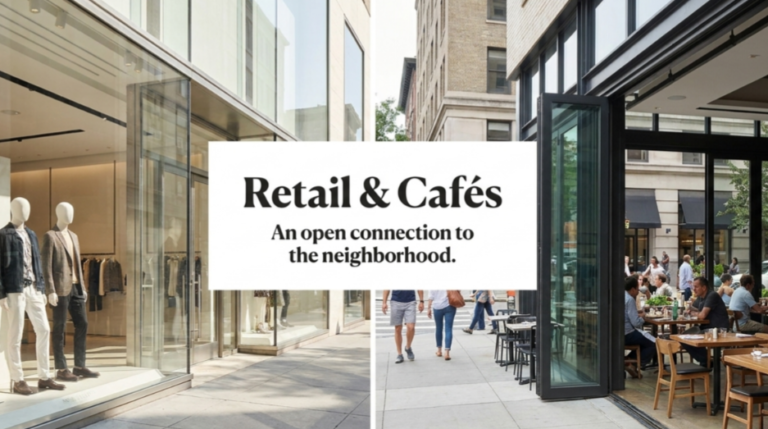
Retail storefronts rely heavily on visibility. Large glass panels can create display areas while allowing customers to see into the store. Glazenix provides commercial glazing solutions for retail environments where appearance, durability, and functionality need to work together.Restaurants and Cafés
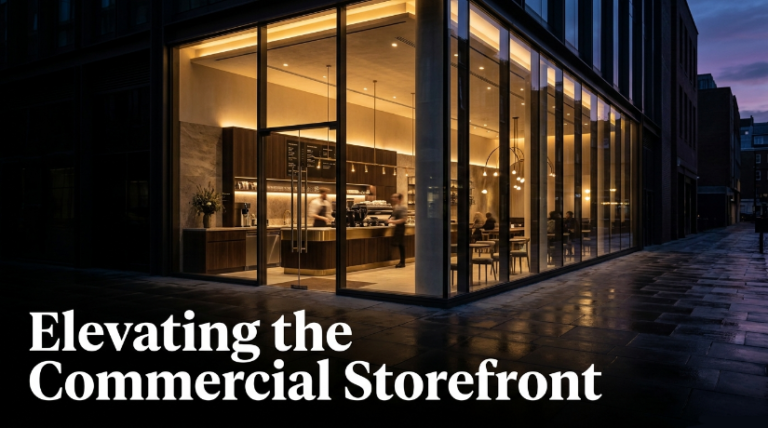
Restaurants and cafés often use storefront windows to create an open connection between the dining area and the surrounding neighborhood. Glass storefront systems can also be combined with commercial glass doors to create accessible and visually consistent entrances.Office Buildings
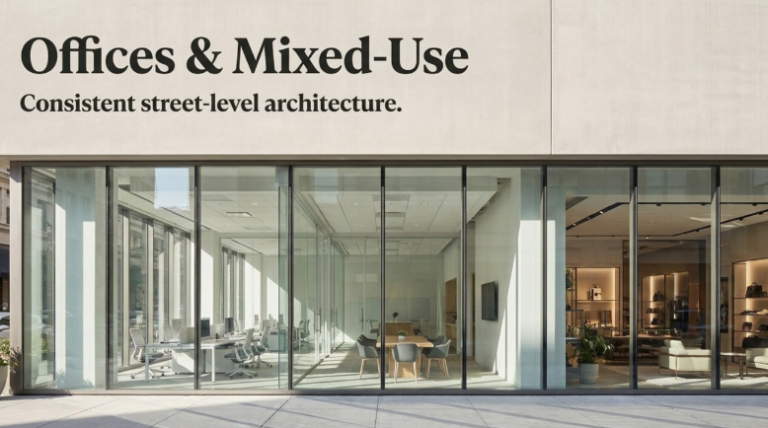
Office storefront systems can be used at entrances, reception areas, interior offices, and tenant spaces. For office renovations and tenant improvements, storefront windows can help divide spaces while maintaining an open visual environment.Mixed-Use Buildings
Mixed-use properties frequently combine residential, retail, office, and other commercial uses. Storefront glazing can provide a consistent street-level architectural appearance while accommodating different tenant requirements.Showrooms and Service Businesses
Automotive businesses, design showrooms, fitness facilities, financial offices, and other service-oriented businesses can use storefront glazing to create visibility and a professional exterior.Storefront Windows vs. Curtain Wall Systems
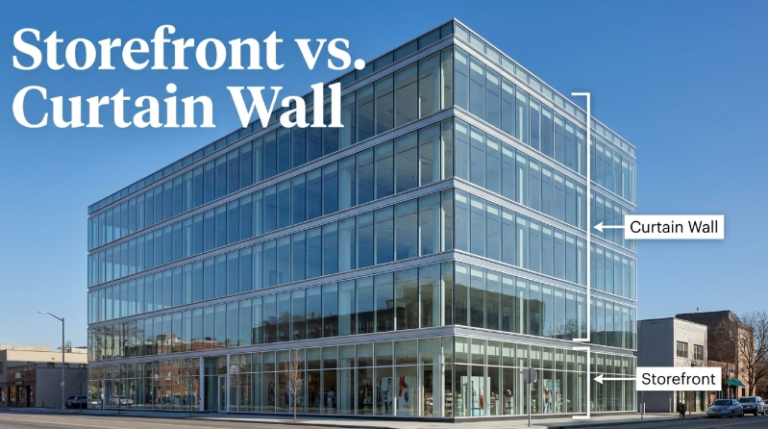
Storefront and curtain wall systems are both common commercial glazing solutions, but they are not interchangeable. Storefront systems are commonly used at lower building levels and are often appropriate for entrances, retail spaces, offices, and smaller commercial façades. Curtain wall systems are generally engineered for larger building façades and can span multiple stories while providing greater resistance to environmental loads. The appropriate system depends on the building design, height, structural requirements, location, glass specifications, and project objectives. For larger commercial glazing projects, Glazenix also provides “curtain wall systems” and “architectural glazing” solutions.Choosing the Right Glass for Storefront Windows
Not every commercial storefront requires the same type of glass. The appropriate specification depends on the application, building requirements, location, and desired performance. Common options can include: Tempered Glass Tempered glass is heat-treated to increase its strength compared with ordinary annealed glass. When broken, it generally breaks into smaller granular pieces rather than large sharp shards. Laminated Glass Laminated glass consists of glass layers bonded with an interlayer. It can provide additional safety and security characteristics and can remain held together after breakage. Insulated Glass Insulated glass units contain multiple panes separated by a spacer and sealed to create an insulating air or gas space. Depending on the specification, insulated glazing can improve thermal performance compared with single-pane glass. Low-E Glass Low-emissivity coatings can help control heat transfer and solar radiation. Depending on the application and climate, Low-E glass can contribute to improved energy performance. The right glass specification should be determined based on the project’s performance requirements rather than simply choosing the most expensive option.Aluminum Framing for Commercial Storefronts
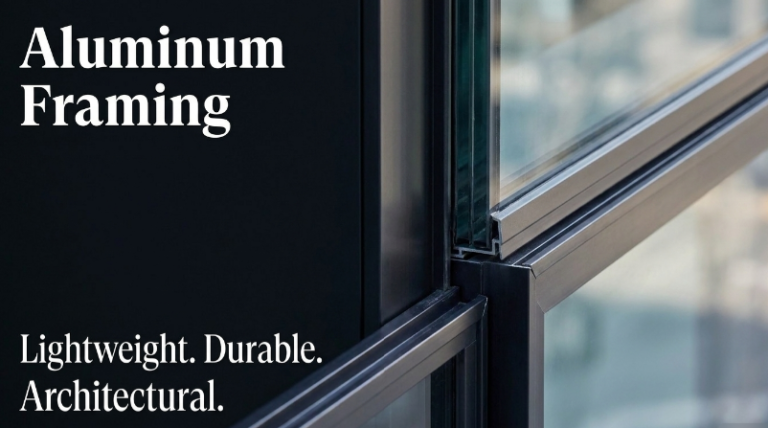
Glass is only one part of a storefront system. The framing also plays an important role in the overall appearance and performance of the installation. Aluminum is commonly used in commercial storefront systems because it is lightweight, durable, corrosion-resistant, and well suited to modern architectural designs. Framing can be configured around:- Large glass panels
- Commercial entrances
- Storefront doors
- Fixed windows
- Interior glazing
- Partitions
- Display areas
- Custom commercial openings
New Storefront Installation vs. Storefront Replacement
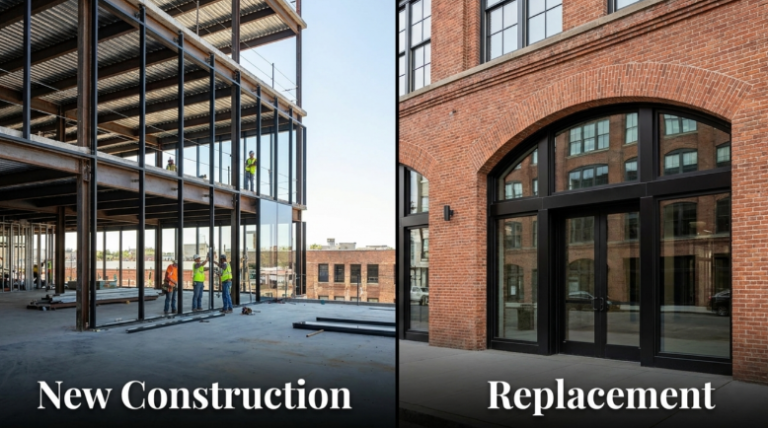
A new construction project and an existing storefront renovation require different considerations.New Storefront Installation
For new commercial construction, storefront windows can be incorporated into the architectural design from the beginning. This allows the glazing, framing, doors, and surrounding building elements to be coordinated during construction. Glazenix works with commercial project stakeholders to provide glazing solutions appropriate for new construction and development projects.Storefront Replacement
Existing storefront windows can eventually develop problems such as cracked glass, damaged framing, failed seals, outdated appearance, or other performance issues. In some situations, replacing individual glass panels may be sufficient. In other cases, a larger portion of the storefront system may need to be renovated or replaced. The appropriate solution depends on the condition of the existing system and the goals of the property owner.What to Consider Before Installing Storefront Windows
Before selecting a storefront system, commercial property owners and project teams should consider several factors. Building Use: A retail store, restaurant, office, medical facility, and industrial property may have different glazing requirements. Glass Performance: Consider factors such as safety, thermal performance, solar control, privacy, security, and appearance. Framing Design: The aluminum framing should complement the architectural design while meeting the project’s functional requirements. Door Configuration: Storefront windows are often installed alongside commercial glass doors. Door location, hardware, accessibility, and traffic levels should be considered as part of the overall system. Existing Conditions: For renovation projects, the existing opening, framing, surrounding materials, and structural conditions need to be evaluated before determining the replacement approach.Professional Commercial Storefront Glazing
A successful storefront installation requires more than simply putting glass into an opening. Glass dimensions, framing, hardware, interfaces, installation conditions, and project specifications all need to be coordinated. Glazenix LLC provides commercial glazing services for general contractors, developers, architects, builders, property owners, and commercial businesses. Our commercial glazing capabilities include:- Commercial storefront windows
- Storefront glazing
- Commercial glass doors
- Curtain wall systems
- Architectural glazing
- Commercial windows
- Aluminum framing
- Glass partitions
- Commercial glass railings
- Commercial glass repair
- Glass replacement