
Your storefront is often the first part of your business that customers see. A well-designed commercial glass storefront can make a building look modern, professional, inviting, and easy to access—while providing the security, durability, and performance businesses need every day. Whether you are building a new retail space, renovating an existing commercial property, replacing damaged storefront glass or upgrading an outdated entrance, choosing the right commercial storefront glass system can make a significant difference.
At GlazenixLLC, we provide professional commercial glass and glazing solutions designed around the needs of businesses, property owners, contractors, architects, and developers. From storefront glass installation to replacement and commercial entrance systems, our team helps turn architectural concepts into functional, attractive storefronts.
Looking for commercial storefront glass installation? Explore Glazenix’s commercial storefront systems and glass services.
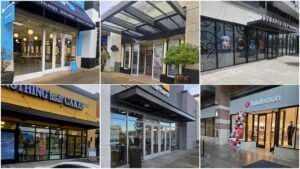
What Is a Commercial Glass Storefront?
A commercial storefront is a non-residential glazing system typically installed along the ground floor of a commercial building. It commonly combines glass panels, aluminum framing, doors, entrances, and hardware to create an exterior enclosure for retail stores, offices, restaurants, medical facilities, banks, and other commercial spaces.
Unlike residential windows, commercial storefront systems are designed for larger openings, frequent use, and the demands of high-traffic business environments. A typical storefront system may include:
- Large fixed glass panels
- Aluminum frames
- Glass entrance doors
- Automatic or manual doors
- Door hardware and closers
- Insulated or laminated glass
- Safety glazing
- Transoms and sidelites
- Custom framing
- Replacement storefront glass
The exact configuration depends on the building, architectural design, location, performance requirements, and intended use.
Understanding Storefront Glass and Storefront Glazing
Storefront glass is the glass component of a commercial storefront system, typically installed with aluminum framing, glass doors and entrances, and related hardware. It is commonly used in retail spaces, offices, restaurants, medical facilities, financial buildings, and other commercial properties.
Storefront glazing refers to the overall process and system used to install glass within the storefront framing. Depending on the project, storefront glazing can include fixed glass panels, entrance doors, sidelites, transoms, insulated glass, tempered glass, laminated glass, and other glazing configurations.
For buildings where the exterior appearance and visibility of the business are important, exterior storefront glass can provide a clean architectural appearance while allowing natural light into the space. The glass can also create clear sightlines between the interior and surrounding sidewalks, parking areas, and other outdoor areas.
A properly designed storefront system brings together the glass, framing, entrances, and hardware as one coordinated assembly rather than treating the glass as an isolated component.
Why Commercial Storefront Glass Matters
Commercial storefront glass does much more than allow people to see inside a business. A professionally designed storefront can contribute to curb appeal, natural light, customer experience, security, energy performance, and brand presentation.
- Creates a Strong First Impression
Customers make quick judgments about businesses based on their surroundings. A clean, modern glass storefront can communicate:
- Professionalism
- Quality
- Transparency
- Modern design
- Attention to detail
- Trust
For retail businesses and restaurants, the storefront can also function as part of the customer’s experience before they even walk through the door.
- Maximizes Natural Light
Large glass panels allow natural light to enter commercial spaces, helping create a brighter and more open interior. Natural light can be particularly valuable for:
- Retail stores
- Restaurants and cafés
- Offices
- Medical facilities
- Showrooms
- Financial institutions
- Multifamily developments
The right glazing configuration can balance visibility, daylight, privacy, and performance.
- Improves Visibility
For retail businesses, visibility can directly influence customer traffic. Large storefront windows allow businesses to showcase:
- Products
- Displays
- Interior design
- Brand messaging
- Merchandise
- Restaurant interiors
- Promotional displays
A thoughtfully designed storefront can essentially become a 24-hour visual advertisement for the business.
- Supports Modern Architectural Design
Glass works naturally with contemporary commercial architecture. Minimal framing, large glass areas, clean aluminum profiles, and modern entrance systems can give a building a significantly more sophisticated appearance. This is one reason commercial glazing is so widely used in modern:
- Retail developments
- Office buildings
- Restaurants
- Hotels
- Medical buildings
- Mixed-use developments
- Multifamily properties
Types of Glass Used in Commercial Storefronts
Choosing the right storefront glass is not simply a matter of selecting the clearest glass available. Different projects require different combinations of safety, security, insulation, privacy, appearance, and performance.
Clear Glass
Clear glass is one of the most common choices for commercial storefront applications. It provides maximum visibility and allows abundant natural light into the building, making it particularly suitable for retail environments.
Tempered Glass
Tempered glass is heat-treated to increase its strength compared with ordinary annealed glass. It is commonly used where safety glazing is required, including many commercial door and storefront applications. If broken, tempered glass is designed to fracture into relatively small granular pieces rather than large sharp shards.
Laminated Glass
Laminated glass consists of multiple layers bonded together with an interlayer. It can provide additional safety and security characteristics because the glass is designed to remain bonded to the interlayer when broken. Depending on the project, laminated glass can also contribute to sound-control and other performance requirements.
Insulated Glass Units
Insulated glass units, often called IGUs, contain two or more panes separated by a spacer and sealed around the perimeter. They can improve thermal performance compared with single-pane glazing and may be appropriate where energy efficiency is an important consideration.
Tinted and Solar-Control Glass
Tinted or solar-control glazing can reduce solar heat gain and glare while changing the appearance of the storefront. These products can be useful for buildings exposed to significant sunlight or projects where solar performance is an architectural priority.
Low-E Glass
Low-emissivity, or Low-E, coatings can improve the thermal performance of glazing by controlling how heat moves through the glass. The appropriate glass configuration depends on factors such as climate, building orientation, HVAC design, window-to-wall ratio, and applicable energy requirements.
Commercial Storefront Glass vs. Curtain Wall
One common question during commercial construction is whether a project should use a storefront system or a curtain wall system. Although both use aluminum framing and glass, they serve different purposes.
| Feature | Storefront | Curtain Wall |
| Typical application | Ground-floor commercial spaces | Building façades |
| Common height | Lower-level applications | Multiple stories |
| Typical use | Retail, offices, restaurants | Large commercial buildings |
| Design | Clean and economical | High-performance architectural façade |
| Installation | Often installed floor-to-floor | Designed for larger building envelopes |
| Cost | Generally more economical | Generally more complex |
| Performance requirements | Project-dependent | Often designed for higher performance |
For a ground-floor retail or office application, a storefront system may be the appropriate solution. For a multistory exterior façade, an architectural glazing or curtain wall system may be more suitable. Glazenix can help determine which commercial glazing approach makes sense for your project.
Commercial Storefront Glass Applications
Storefront glazing is extremely versatile and can be used across many different commercial environments.
Retail Storefronts
Retail businesses depend heavily on visibility and presentation. Large glass panels can create attractive displays while allowing customers to see the interior of the store. A retail glass storefront can play an important role in how customers experience a business before they enter. Large areas of glass allow merchandise, displays, lighting, and interior spaces to remain visible from outside while creating an open and accessible appearance.
Glass storefront systems are commonly used for clothing stores, grocery stores, salons, showrooms, pharmacies, restaurants or cafés, and other customer-facing businesses. The appropriate configuration depends on the size of the opening, desired visibility, safety requirements, door configuration, framing system, and overall architectural design.
For retail businesses, storefront windows can also function as display areas. Clear or specialty glazing can be selected according to the project’s requirements for visibility, solar control, privacy, safety, and thermal performance.
Restaurants & Cafés
Glass storefronts can create an open, inviting atmosphere and connect the interior dining experience with the surrounding environment. For restaurants located in busy commercial areas, storefront glazing can also provide valuable visibility from sidewalks and parking areas.
Office Buildings
Glass storefront systems can be used for ground-floor offices, business entrances, reception areas, and commercial interior spaces. For office projects requiring interior separation, Glazenix also provides [commercial glass partitions] that can create private areas without sacrificing natural light.
Medical Facilities
Medical offices and healthcare facilities can use commercial glazing for entrances, reception areas, corridors, and interior partitions. Depending on the application, privacy and safety requirements may influence the glass selection.
Banks & Financial Buildings
Financial institutions may require a combination of architectural appearance, durability, access control, and security-conscious glazing solutions. The appropriate glass and framing system should be selected according to the building’s specific requirements.
Multifamily Buildings
Multifamily and mixed-use developments often incorporate commercial storefront systems on ground-floor retail and amenity spaces. Glazenix can provide glazing solutions that coordinate with the broader architectural design of the development.
Commercial Storefront Windows
Commercial storefront windows are designed for the demands of business environments where durability, visibility, appearance, and frequent use are important considerations. Unlike typical residential windows, commercial storefront windows are often integrated into a larger aluminum-framed system that may include fixed glazing, entrance doors, sidelites, and transoms.
Storefront windows can be configured for different types of commercial properties, including retail stores, offices, restaurants, medical facilities, banks, and mixed-use buildings. The appropriate glass depends on factors such as the building’s location, orientation, intended use, safety requirements, energy-performance goals, and design objectives.
When replacing existing storefront windows, the condition of the surrounding framing and opening should also be evaluated. In some projects, replacing only the glass may be appropriate; in others, damaged framing or outdated components may make a larger storefront replacement necessary.
Glazenix provides commercial glass and glazing solutions for new construction, renovations, storefront glass replacement, and other commercial glazing applications.
Storefront Glass Installation: What to Expect
A successful storefront project requires more than simply installing glass into an opening. The process typically involves several important stages.
- Project Assessment
The first step is understanding the existing building or proposed construction. Important considerations can include:
- Opening dimensions
- Existing framing
- Structural conditions
- Door configuration
- Glass requirements
- Building use
- Design objectives
- Performance requirements
- Applicable codes
The assessment also determines whether the project requires new storefront glass, replacement storefront windows, or a complete storefront glazing system.
- Glass & Framing Selection
The appropriate glass and aluminum framing system are selected based on the project’s requirements. This is where factors such as appearance, safety, thermal performance, privacy, durability, and budget come into consideration.
- Measurement & Fabrication
Accurate field measurements are critical. Glass and framing components must be properly coordinated before fabrication to minimize installation problems and ensure the finished storefront fits the building opening correctly.
- Installation
Professional installation helps ensure proper alignment, weather sealing, door operation, and overall system performance.
- Final Inspection
The completed storefront should be checked for proper operation, finish quality, alignment, seals, and hardware. For replacement projects, the existing opening and surrounding conditions should also be evaluated to identify any issues that could affect the new installation.
Storefront Glass Replacement: When Is It Time?
Storefront glass does not necessarily need to be replaced simply because it is old. However, certain problems are strong indicators that professional evaluation is appropriate. Consider replacing storefront glass when you notice:
- Cracked or broken glass
- Fogging or condensation between insulated panes
- Significant scratches or damage
- Damaged aluminum framing
- Poor door operation
- Failed seals
- Water infiltration
- Outdated appearance
- Poor thermal performance
- Security concerns
For minor damage, storefront glass repair may sometimes be possible. In other situations, replacing the glass or the complete storefront system may be the better long-term solution. The right choice depends on the condition of the existing system and the goals of the property owner.
How Much Does Commercial Storefront Glass Cost?
Commercial storefront glass pricing varies considerably from project to project. There is no reliable one-size-fits-all price because several factors influence the final cost, including:
- Total square footage
- Glass type
- Glass thickness
- Tempered vs. laminated glass
- Insulated glass requirements
- Aluminum framing
- Door configuration
- Hardware
- Existing conditions
- Removal of old storefront
- Installation complexity
- Custom fabrication
- Project size
For that reason, an accurate quote should be based on the actual project rather than a generic cost-per-square-foot estimate.
Planning a storefront project? Contact Glazenix for a project-specific consultation and estimate.
How to Choose a Commercial Storefront Glass Contractor
The contractor you choose can have a major impact on the finished product. When evaluating a commercial glazing contractor, consider:
Experience with Commercial Projects
Commercial storefronts often involve larger openings, specialized hardware, coordination with other trades, and project-specific requirements. Look for a glazing contractor familiar with commercial construction.
Quality of Installation
Even high-quality glass can perform poorly if it is incorrectly measured or installed. Proper installation, sealing, alignment, and hardware adjustment are essential.
Ability to Handle Different Project Types
A contractor experienced with retail, office, restaurant, medical, multifamily, and other commercial environments can better understand the different requirements each application presents.
Clear Communication
Commercial projects involve multiple parties, including owners, contractors, architects, property managers, and subcontractors. Reliable communication helps keep the glazing scope coordinated throughout the project.
Complete Commercial Glazing Capabilities
It can be advantageous to work with a glazing contractor capable of handling more than one type of glass application. Glazenix provides a range of commercial glass and glazing services, allowing storefront work to be coordinated with other glazing requirements when needed.
Why Choose Glazenix for Commercial Storefront Glass?
At GlazenixLLC, we understand that commercial glazing needs to balance appearance, functionality, durability, safety, and project requirements. Our storefront glass solutions are designed for businesses and commercial properties that want a professional finished product—not simply a piece of glass installed into an opening.
Whether you’re developing a new property, remodeling an existing space, replacing damaged storefront glass, or upgrading your building’s appearance, our team can help you identify a glazing solution appropriate for the project. Our commercial glazing capabilities include:
- Commercial storefront glass
- Storefront glass replacement
- Glass entrances and doors
- Interior glass partitions
- Architectural glazing
- Curtain wall systems
- Commercial glass repair
- Custom commercial glazing solutions
Explore our Commercial Glass & Glazing Services to see how Glazenix can support your next project.
Build a Better First Impression with Commercial Storefront Glass
Your storefront is more than an exterior wall. It is part of your business’s identity, customer experience, and building design. The right commercial storefront glass can bring natural light into the space, improve visibility, create a modern architectural appearance, and provide a durable entrance system built for everyday commercial use. Whether you need a new storefront, replacement glass, or a complete commercial glazing solution, choosing an experienced contractor is an important part of the process.
Ready to upgrade your commercial storefront?
Contact Glazenix LLC today to discuss your project and request a storefront glass estimate.
Related Glazenix Services:
- Commercial Glass & Glazing
- Glass Entrances & Doors
- Commercial Storefronts
- Architectural Glazing
- Curtain Wall Systems
- Interior Glass Partitions
- Commercial Glass Repair
A properly planned storefront isn’t just an investment in glass—it’s an investment in how customers, tenants, and visitors experience your building. For viewing more professional projects and experiences, explore our portfolio and check out our Roxie Glass Commercial Services.